

How to Fix Common Door Repair Problems
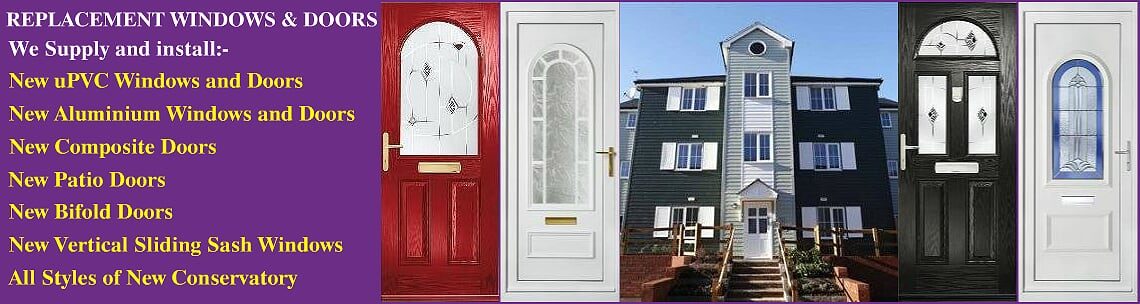
Many door issues are easy to fix, particularly if you can do the work yourself. Sometimes, a task cannot be accomplished without assistance.
Often, the cause of stuck doors is that the hinges must be tightened or shifted. If the issue persists, you may have to plane or sand the latch side of your door.
Check the Door
Many homeowners clean up their yards and inspect their doors when the weather gets cooler. This annual inspection shouldn't just be a lookout for signs of damage but also uncover areas that aren't performing as they should.
Look for rust and corrosion on door hardware like hinges, and on the frame. Check for damaged or broken weather stripping. This helps keep drafts out of your home and also prevents air leaks, which can cause a home to become less energy efficient.
Note whether any doors are stuck, especially after a strong wind. A door that is sticking is more difficult to open and close, which adds wear every time it's used and could result in higher repair costs later on. This kind of issue can be caused by swollen or swollen wood which occurs when humidity alters the moisture content in the door's wood. A simple test using an hygrometer can help pinpoint the cause of this problem.
If your door is swelling, you can tighten the hinge screws using the help of a screwdriver. If the problem continues, then you can try shimming the hinges or replace them all.
It's also important to examine the door for any cosmetic damage. While minor dents and scratches are to be expected, any damage that wasn't there before should be fixed.
While it is sometimes possible to fix the door that has a large crack, any cracks in the wood should be filled in and painted as soon as it is possible to avoid any further issues. To ensure the integrity of the structure wood rot, it should be replaced. If upvc door repairs discover structural issues that are significant to doors, it's recommended to call a certified door system technician to evaluate and repair any damage that may be required.
Tighten the Hinges
It is common for door hinge screws to loosen up over time However, if you let them for too long, they could cause damage to the hinge, and the screw holes to become stripped. You can tighten these screws by hand or using a drill but be cautious not to bend the hinge, and make sure you remove the pins too.
Locate the sticking points first, and then decide what to do. If the door rubs on the top or drags, you could countersink a long screw onto the hinge's latch side (the side that is attached to the strike plate). This will make the gap a bit larger and usually solves the issue.
The most drastic option is to remove the hinge pins and then hammer them out until they're more dispersed which will also resolve the problem. This is not recommended as it could damage the hinge. It should only be done if the door isn't closing properly.
A damaged screw hole or a door frame that is sagging could cause a screw to not tighten. In this instance, place an apron (or match) dipped into carpenter's adhesive into the screw hole. Allow it to dry before reattaching your hinge. This will fill the hole and strengthen it so that the screw will be able to grab hold. Repeat as needed to fill any remaining screw holes that don't tighten. Close the door and check to see whether it has shut properly. If not, you'll have to keep trying to solve the problem. It's best to start with the easiest solutions first and then move on to more complicated repairs if necessary.
Shim the Hinges
Shimming hinges can be used to assist in keeping the door straight when the gap between the jamb and the door frame is too large (a condition called toe-in). This can be accomplished by placing a small piece of cardboard or wood under the hinge on the jamb side and adding one or more thin wooden shims between the hinge and the frame of the door. The shims pull the hinge leaf away from the door frame and close the gap, eliminating the bind.
This method can be tricky however, if you're cautious you can get the job done without causing damage to the hinge or the door. It is best to remove the screws from each hinge prior to shimming (Knowledge - How to Remove the Pin from the Door Hinge). This could mean removing the door off its hinges in order to prevent them from coming loose.
You'll need to open and close the door a few times after the hinges are moved to make sure they are working properly. If the door is still stuck it is possible to add shims to seal the gap between the hinge and door.
Another way to fix a binding hinge is by making the mortise wider. This can be accomplished by scraping the hole with an axe and then filling it with wood putty. Be sure to polish and sand the putty before putting it on the hinge so that it matches the frame's rest. This isn't as precise as shimming, but it's an easy fix for a hinge that is out of alignment. It's also less destructive than trying to fix the door.
Draw in the Jamb
If your door still binds after tightening the hinges and shimming it, there could be a problem with the jamb out of line. This can be fixed by gently tapping wooden shims that are located on the latch's edge to the frame between the jambs and the wall. Be sure to take measurements of the shims using the help of a carpenter's ruler and move them around the frame until it's plumb on both sides of the frame.
After you've shimmied the door frame, you can tighten the screws that secure the strikeplate to the latch side to prevent it from rubbing against the latch. You can use an manual Phillips screwdriver, or a drill, based on the extent of the damage.
Sometimes, dents, gouges and nicks within the frame will cause it to become stuck against the door. If it's just tiny dents and nicks, you can smooth out the surface with wood filler that matches the color of the trim around the door, and then sand it before painting or staining. For deeper dents and gouges, you might need to replace the damaged part of the jamb.
If your door continues to bind after you've tried filling, sanding and re-sanding the frame, it could be time to get rid of the entire door and start from scratch. It's best to do this if you can afford to buy new parts and do it properly however, sometimes you'll be able to save the door by working on smaller portions of the frame, without completely taking it off. Be careful not to compromise integrity of the frame, especially if you're dealing with older wood which has been exposed to moisture over the years.
Adjust the Strike Plate
The strike plate is used to hold the door in its closed position by catching the bolt that holds the door. The shifting and setting of doors over time can cause the strike plate to be misaligned with the latch. If the latch does not fit into the strikeplate, it won't close, which can lead burglaries or door kick-ins. To fix this issue, tighten the screws that hold the strike plate. If that doesn't work, shimming the hinges or adding wood fill may help.
Before adjusting the strike plate, apply a thin strip of lipstick or a similar marking substance to the latch. Close the door, and then open it. If the lipstick marks indicate that the latch is either with the strike plate hole it could be an issue with sagging hinges rather than the strike plate's position.
If the marks indicate the latch is sitting too high or low in the strike plate hole then take a small piece of cardboard to fit the mortise of the hinge. Replace the hinge. This will usually fix the problem if it is caused by sunken hinges. This makes it easier to make an attractive repair.
To adjust the strikeplate, remove it from the jamb on your door. Then, use a file to make the hole in which the strikeplate is intended to go. Half-round files are ideal since it conforms to the curve of the strike plate's hole. Install the strike plate and close the door to see if the latch is now clearing the strike plate hole in a proper manner. If the latch isn't able to clear the hole, use the chisel on the jamb to alter its shape where the strike plate is positioned to meet the jamb.